Inspiration digestive – A spoken word poetry digestive for the festival visitor

Welcome back! Maybe you are dancing on somebody else’s feet, maybe
you saw through some other’s eyes, maybe for a moment you experienced so much
so, you forgot?

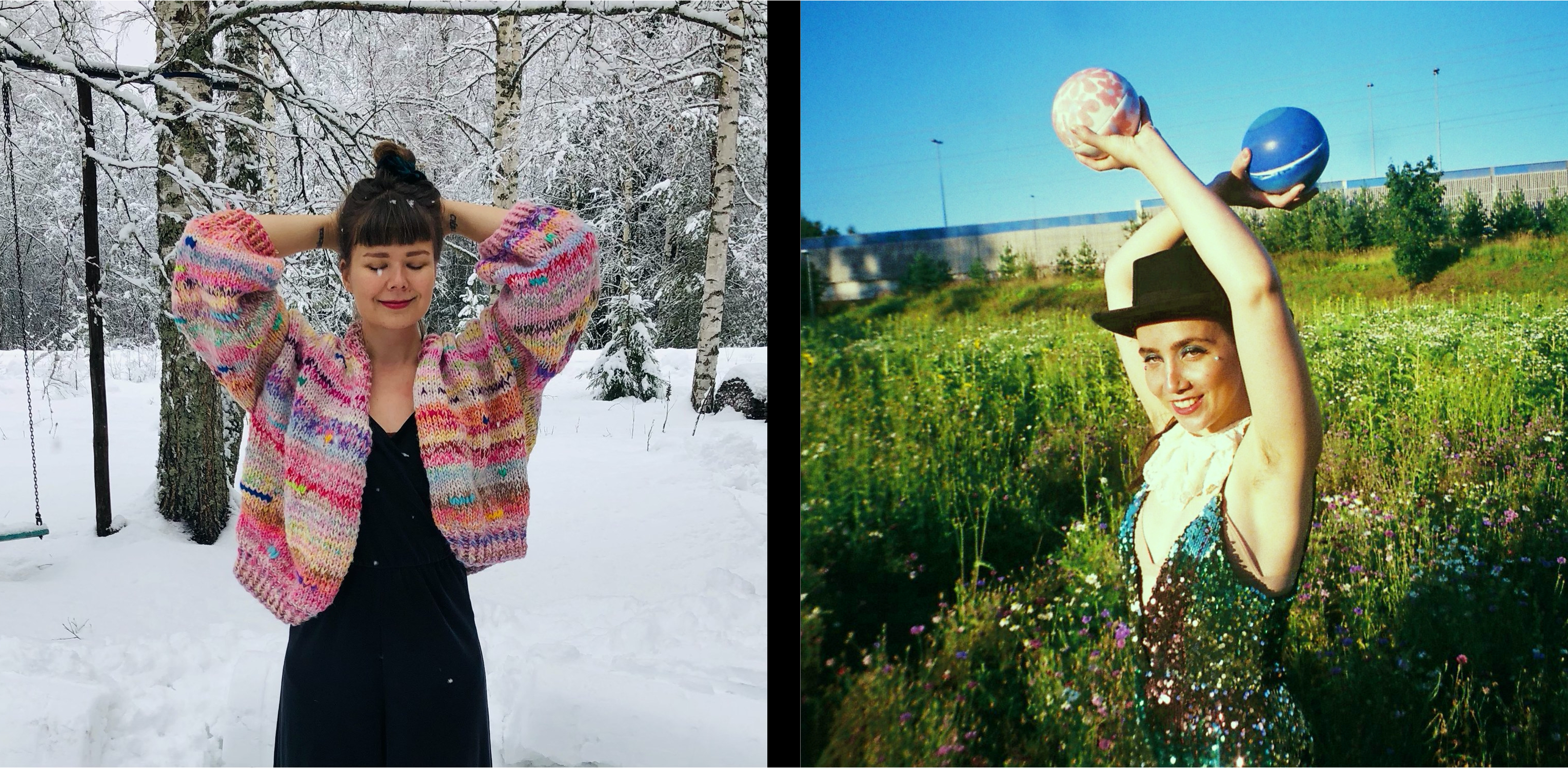
This workshop offers its participants a space to digest everything felt and seen throughout the festival, the feelings and the new incipient ideas. It offers bodily and poetic tools to digest this soul food. The workshop is held by two spoken word poets Elsa Tölli and Veera Milja, who draw from their own spoken word poetry practices, on how to mold experiences into something new, tangible and movable. In the workshop, you will try out small somatic practices, relaxation exercises and draft texts through different methods, sharing them outload, as a gift of inspiration to others. After, the texts created, can be used for your own artistic purposes. Prior experience of spoken word poetry or dance is not required. The workshop will be held in Finnish.

Elsa Tölli & Veera Milja

Veera Milja is a performing artist and a yoga teacher. Her first poem collection will be published on Spring 2022. Elsa Tölli is a poet and performing artist, whose first poem collection Fun Primavera was published 2020. The collection made history by winning a Dancing Bear – award by YLE, as a first self-publishing to ever win. Together the two have studied interfaces of body and performed poetry in their performance SOOMA (Poetry Moon -festival 2020). Both are founding members of Academy for Performance Poetry, which offers studies about spoken word and live poetry.

Fionde

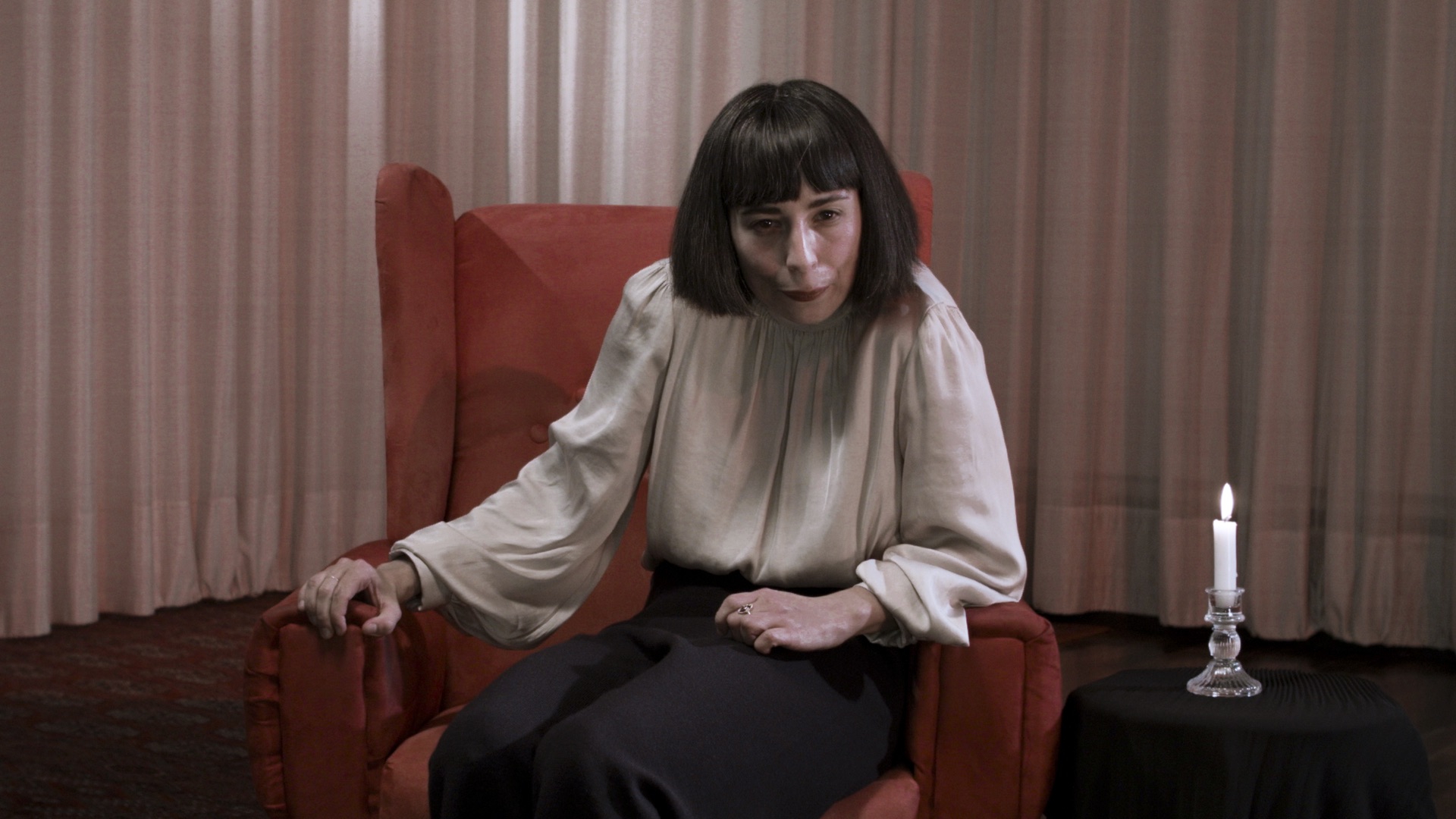
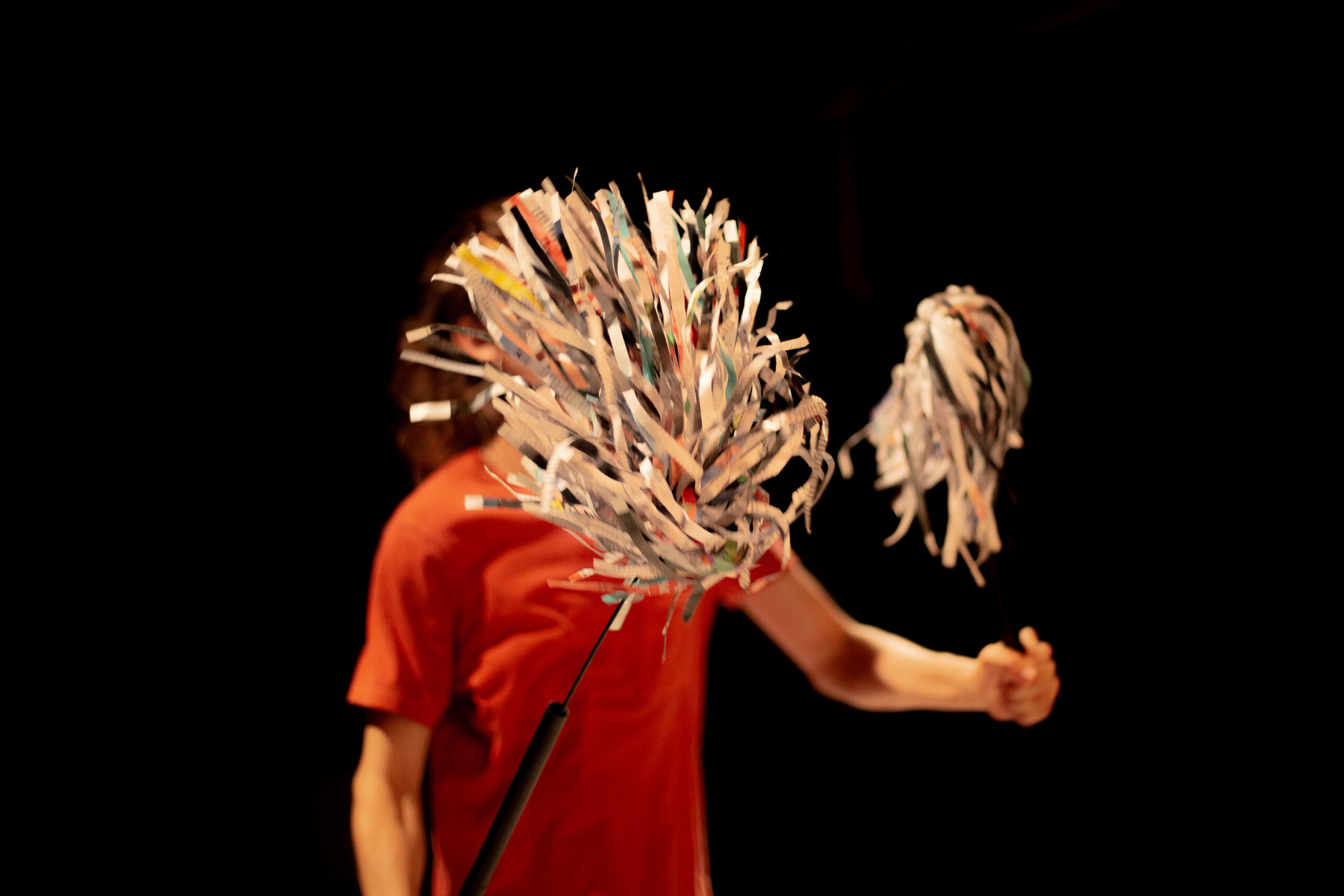
During the past year, our shapes have shifted, the structures are twisted. Our private lives have been rewritten, loneliness has changed face, and the collective has misplaced its bodies. Celebrations and rituals have been silenced. Fionde (Slingshots) is a performative artwork delivered by post. It explores new types of connection between art and spectators. Can a premiere take place in the intimacy of your home? Fionde is a performative object that invites you to transform your private environment and create new rituals for processing emotions: alone or together with others. After buying your ticket, you will receive a box containing everything you need to experience the performance at home. The content of the box is not revealed beforehand – it is always a surprise, an encounter with the unexpected. Take all the time that you need. Fionde can be experienced according to your own schedule, and it can be activated more than once, alone or with others. There is no rush or no “right way” to do this. Fionde is the first production of Samara Editions. Samara invites artists to create new performances that can be sent to the audience by post. You are both the performer and the audience of this show. Fionde is brought to Helsinki by two November festivals Baltic Circle and Moving in November. This way, you will have a possibility to get hold of the box throughout the whole month of November.

Chiara Bersani

Chiara Bersani is an Italian performing artist and choreographer whose work in theatre and contemporary dance explores the politics of the body and how the images we create interact with society’s narratives. Her research as a performer and author is based on the concept of the Political Body and the creation of practices aimed at training its presence and action. As an activist Chiara works on the inclusivity of disabled artists in the performing arts scene. For the rigor in embodying this study in 2019 she received the UBU Best Newcomer Award for Performers under 35.

Ilaria Lemmo

Ilaria Lemmo is an Italian composer and sound researcher in the field of electronic and experimental music as well as a sound designer working for theater and audiovisual arts. She is currently attending a Master’s degree in Electronic Music Composition at the Conservatory of Turin. Her research explores the possibility of the algorithmic composition and the relationships within the spatial acoustic.

Samara editions

Samara editions was born in March 2021 and has co-produced so far Fionde by Chiara Bersani with Ilaria Lemmo and Protoplasmic Flow by Jenna Sutela. Samara invites artists to create new performances that can be sent to the audience by post. Next creations will be by Tamara Cubas and Kate McIntosh. The curatorial team is composed by Eva Neklyaeva independent curator (Milan/Helsinki), Lisa Gilardino curator and creative producer (Bologna) and Marco Cendron art director of POMO, studio of visual communication (Milan).

Residency

Also, this fall the residency of Angela Schubot and Jared Gradinger continues. The two artists have been invited for a long-term collaboration, working on a project which will be part of 2021 November edition. During this November only Jared Gradinger will be present in Helsinki, continuing the research. As part of the collaboration, we will also see pieces YEW: kids and YEW: outside by artistic duo Schubot/Gradinger on May 2021. This will be part of Traces from November program 2021.

Jared Gradinger and Angela Schubot

Jared Gradinger is a choreographer, artist, performer and gardener born in the USA and based in Berlin since 2002. Angela Schubot is a dancer, artist, choreographer, researcher and bodyworker-healer based in Berlin with roots in Peru and Canada. Schubot and Gradinger first worked together in 2002 under the direction of Constanza Macras. Already then they discovered a strong connection and common interest in purely physical yet very dynamic movement languages. They started to combine physical practices with philosophical and even esoteric discourse. The topic for their collaboration was the debordering of the body and starting point was the search for an unconditional togetherness to escape from one’s own identity. From 2009 until 2013, they have created 4 full-length works: What they are instead of (2009), Is maybe(2012), Dying together and I hope you die soon (2013) and All my holes are theirs (2013).

Schubot/Gradinger’s desire to acknowledge and interact with non-human beings and open up their unconditional togetherness to the non-human realm and brought into a deep immersion with plants and nature. Since 2017, they have been ‘co-creating’ performances with Nature. These works are a sensitive plea for the dissolution of the human-nature dichotomy and an attempt of a hierarchy-free co-existence through real encounters and radical experimentation. In 2018 they co-created YEW and YEW:outside. In these duets they immersed themselves deeply in Nature and its inherent intelligence. In 2019, they continued the adaptation and premiered with YEW:Kids, which offers very young children intimate encounters with plant nature.

Figuring Age

Figuring Age portrays three elderly dancers from Budapest, aged between 90 and 101. The work consists of a durational performance and a two-channel video installation running simultaneously in separate spaces.

In 2015, choreographer and performer Boglárka Börcsök had the chance to meet several elderly dancers in Budapest. Wanting to work with some of them and knowing that their age would make it impossible to bring them back on stage, Börcsök and filmmaker Andreas Bolm decided to create a documentary called The Art of Movement. It portrays Irén Preisich, Éva E. Kovács and Ágnes Roboz, who were once part of the early development of modern dance in Hungary. During the filming, Börcsök’s role alternated between dialogue partner and dance student to stimulate the elderly dancers’ bodies and memories. The physical engagement continued during the editing process. Börcsök and Bolm watched the footage again and again to study the gestures, movements, and personal stories of Irén, Éva and Ágnes. The three ladies entered Börcsök like ghosts and she began to perform them. The embodiment of Irén, Éva, and Ágnes is a continuous work of transforming and becoming – a Vertigo. The aging body does not contain only one body. Rather, it is multiple bodies layered in time and decay, in memories and experiences. In Figuring Age, Börcsök interweaves the stories and memories of the elderly dancers with their everyday gestures, postures and dance movements, tracing how the three women changed their lives and movement practices to survive the sociopolitical shifts of the 20th century. The slowness and fragile heaviness of their bodies demand a different economy of attention, giving visitors space to rethink and negotiate their relationship to aging and death.

In a separate room, the two-channel video installation reveals the elderly dancers in their private homes. The stillness of their rooms, filled with personal objects and memories, becomes the scenographic backdrop for their dynamic performances on screen.

Boglárka Börcsök

Performer, artist and choreographer Boglárka Börcsök is interested in how memory and history are embedded into gestures and movement, and how it conditions both the materiality and representations of the body. Her work departs from personal encounters, archival and historical research and the practice of listening and looking. She frequently uses voice, facial expressions and minutely composed embodiments. As a dancer and performer, she has worked with a multitude of artists including Ligia Lewis, Kate McIntosh, Joachim Koester, Tino Sehgal and Eszter Salamon, with whom she collaborated on several projects within Salamon’s acclaimed MONUMENT series. Börcsök is currently developing new works with filmmaker Andreas Bolm. The Art of Movement(2020) was their first collaboration. The film premiered online during the lockdown hosted by Pact Zollverein, Tanzquartier Wien & MMpraxis and was invited to the 7th Budapest International Documentary Festival.

Andreas Bolm

Filmmaker, sound engineer and producer Andreas Bolm is living and working in Germany, Hungary and France. His films portray people in their social and familial environments, examining the fine line between documentary and fiction. Ròzsa (2000), The Sleepers (2003), Jaba (2006), All The Children But One (2008) and School Files (2012) have been screened at many festivals worldwide. Jaba was presented at the Festival de Cannes in 2006 and was awarded for best documentary at the Zinebi film festival in Bilbao. In 2009 Andreas attended the Cinefondation Residence Festival de Cannes. His first feature film The Revenants was premiered in 2013 at the 63rd Berlinale, Perspektive deutsches Kino and presented at the MoMA in New York. In 2014 Andreas was invited for a six months’ fellowship at the artist-residency Akademie Schloss Solitude in Stuttgart where he developed his second feature film Le Juge(2016).
Temple du présent – Solo for octopus

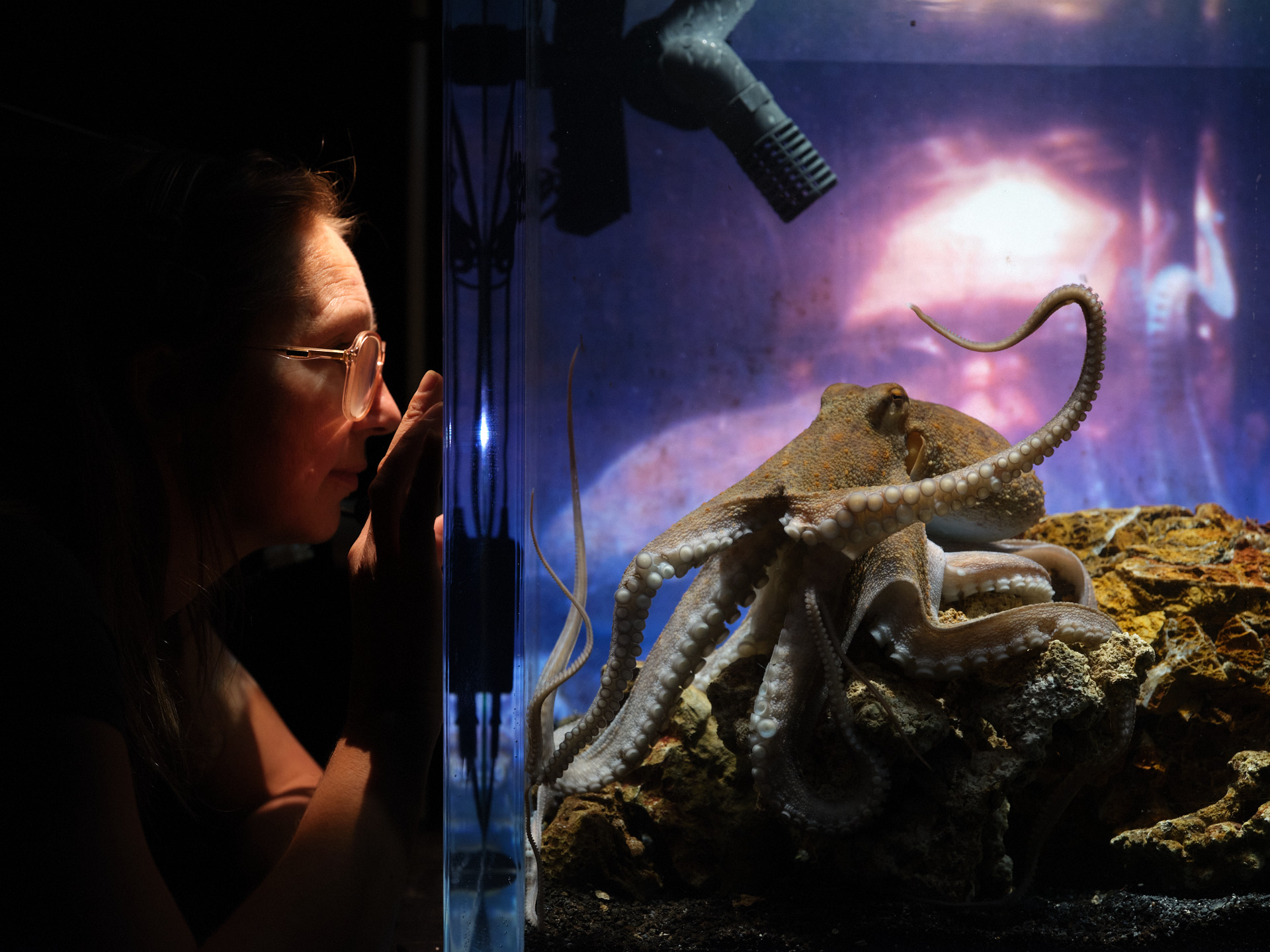
How can we understand an animal to which we attribute a form of intelligence radically different from our own? How can we establish a relationship with non-humans that does not involve appropriation? Who observes whom?

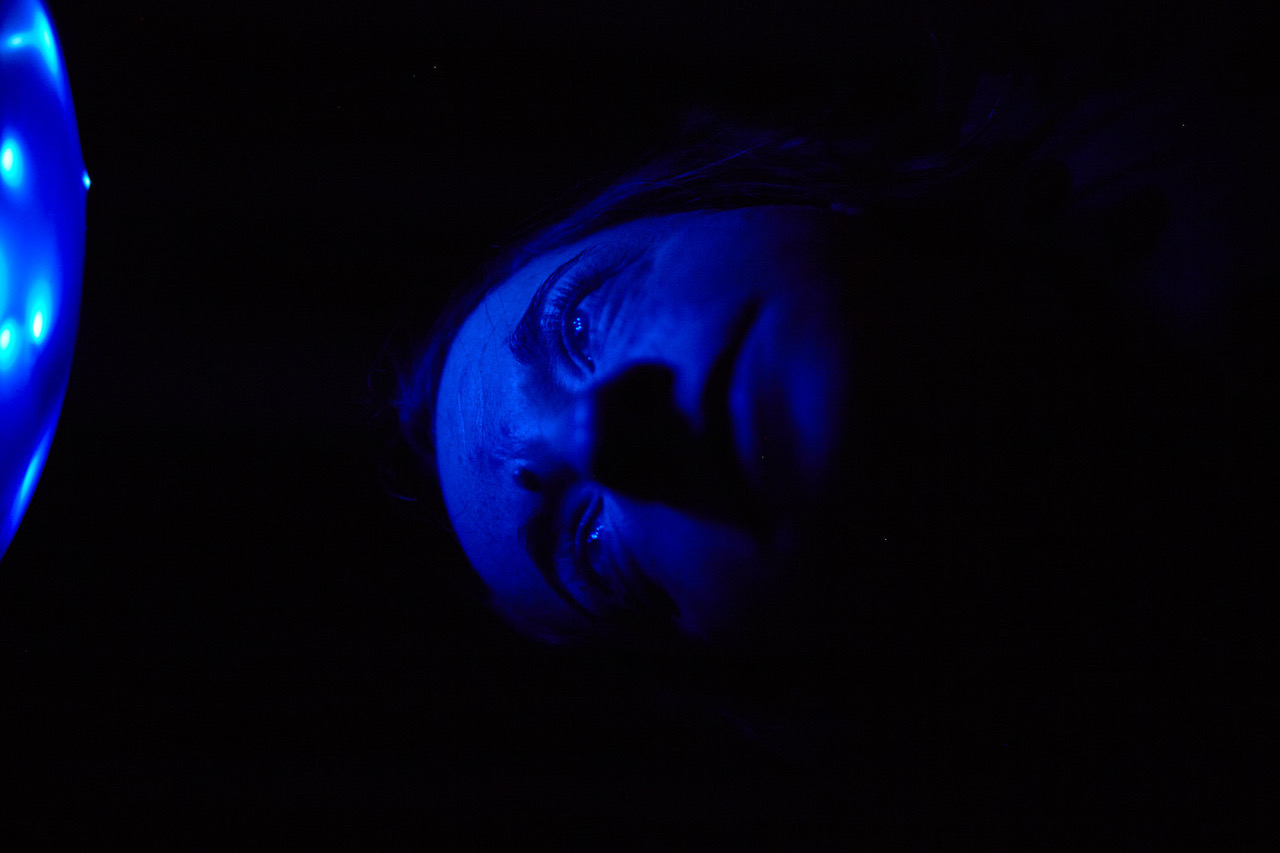
Temple du présent – Solo for octopus is a singular joint adventure, an attempt at a relationship and mutual observation between animal and human. Stefan Kaegi with Judith Zagury and Nathalie Küttel imagine a theatrical aquarium to stage an octopus, that gifted, curious and playful animal. With its eight arms, nine brains, three hearts and a decentralized nervous system, the octopus is capable of multiple actions or of changing color radically. Above all, it has a great curiosity, especially towards humans. In this performance, the observer may not be the one we expected. In this exceptional performance, the octopus is the expert and the protagonist. The animal changes from the object of observation into its subject, and its gaze casts a fundamental question over the human being. The octopus comes from a fish market in southern France, where it was destined to be eaten. The performance was presented live over a short period of time. What rests is a film that we invite you to watch with us during the festival, accompanied by an after talk with the artists.

Stefan Kaegi

Stefan Kaegi creates documentary theatre plays, audio-interventions, curated formats and works in the urban environment in a diverse variety of collaborative partnerships. Using research, public auditions and conceptual processes, he often gives voice to ‘experts’ who are not trained actors but have something to tell. Most of his works are released under the label Rimini Protokoll – name of the Berlin-based theatre collective he founded together with Helgard Haug and Daniel Wetzel. Together they are moving away from a direct representation of reality and are trying instead to depict it in all its facets and from unexpected perspectives.

Judith Zagury

ShanjuLab is a theatre company, school and venue based in Gimel where animals and humans have been working and living together for years under the direction of Judith Zagury. At ShanjuLab, Zagury has created a theatrical research laboratory on animal presence, a real center of artistic creation and knowledge on the human-animal relationship. She studied equine ethology at the University of Rennes, and in 2014 she obtained her certificate of advanced studies in dramaturgy and text performance at the University of Lausanne. Her final dissertation subject was on animal ethics.

Nathalie Küttel

Nathalie Küttel began her professional acting studies with classes at the Conservatoire de Genève, before completing a three-year course at the Ecole de Théâtre des Teintureries in Lausanne. As the daughter of a taxidermist, she grew up surrounded by stuffed animals, peering into dead bodies and trying to figure out how they had worked when they were still alive. In 2015, Nathalie began working with Professor Fiorito at the Stazione Zoologica in Naples, studying the neurobiology, behavior, and learning processes of octopuses.

From Mother to Daughter

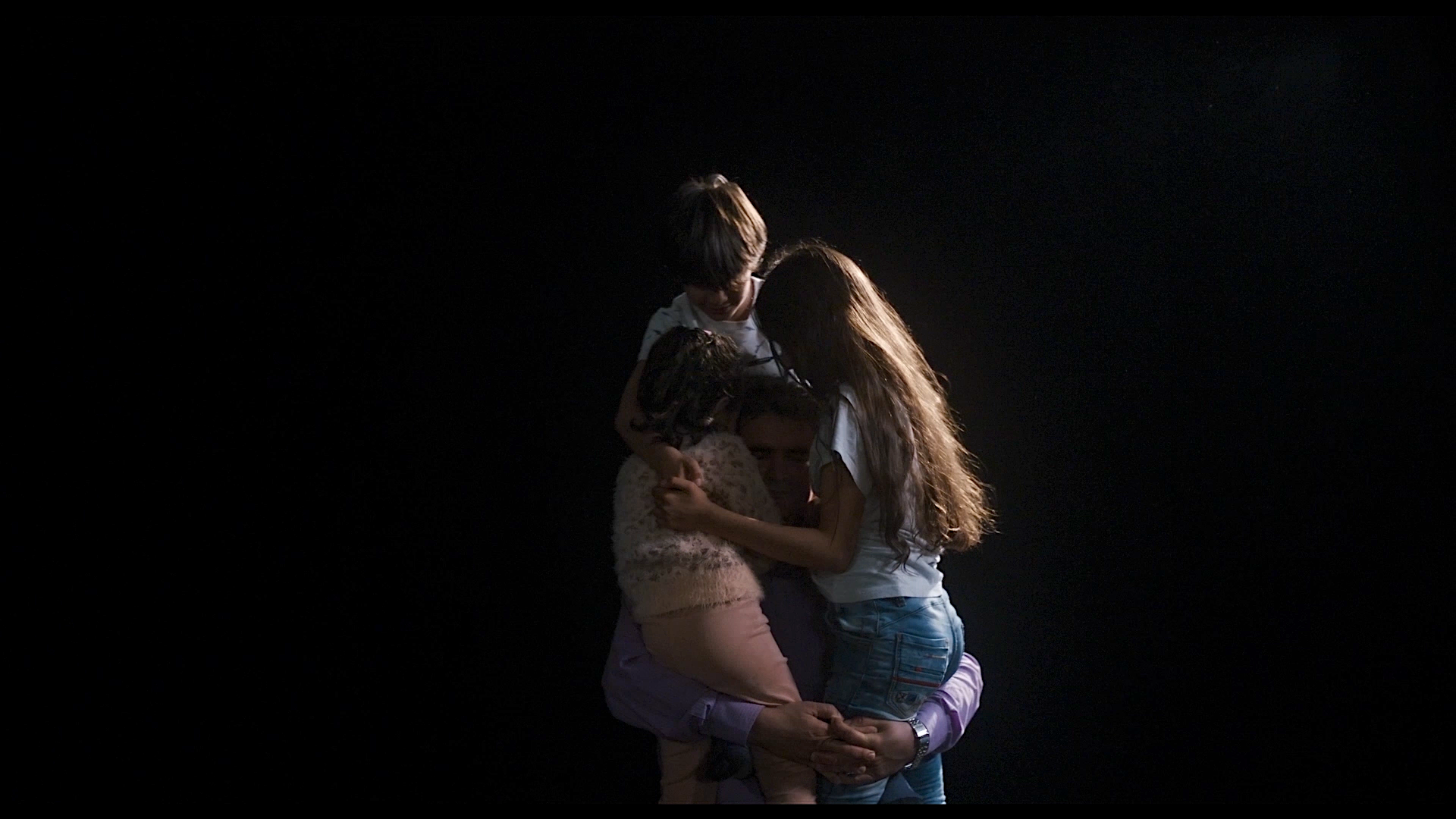
What are the generational chains of families, and how are they transformed into movement? In this video work, eight different families perform in front of the camera, revealing the closeness and intimacy that lay in the core of their family structure. Through the families’ suggested narratives, From Mother to Daughter examines the sensuality of lived kinesthetic experience and the possible translations of that medium to video art. To underline the intimacy, choreographer Maria Saivosalmi and filmmaker Vytautas Puidokas have chosen the video set up for the work to be very simple: a black studio, a static camera, and people moving in the locked frame. The choreographic proposals for the work were developed together with the families during the informal discussions. The project started in Lithuania, in the year 2019. In its initial stages, Saivosalmi and Puidokas were meeting families from different backgrounds and discussing with them about their family structures, generational chains, and family life in general. Some of the families were found through personal connections, others through institutions such as Rukla Refugees Reception Center, Kirtimai Culture Center, and Art Printing House Vilnius. This is Saivosalmi and Puidokas’ first collaborative project. For the video they also worked with the Lithuanian filmmaker/ cinematographer Vytautas Katkus. From Mother to Daughter was curated to CAC (Contemporary Art Centre, Vilnius) exhibition Head with Many Thought, where it was presented in spring 2020.

Maria Saivosalmi

Maria Saivosalmi has been working broadly in the field of contemporary dance as a choreographer, performer, and teacher since 2002. She worked as a dancer in Helsinki Dance Company 2004–2012. Recently she was performing in Öh by Sonja Jokiniemi in Moving in November 2020. Her choreographic work has been presented and supported widely both locally and internationally. She has been working for sixteen years as a dance artist in Helsinki Deaconess Institute mostly with substance abuse clients. At the moment, she is working as a lecturer in Contemporary Dance at University of Arts Helsinki, Theatre Academy. She is also continuing her artistic work where her interest lies in topics such as intimacy and encounter.

Vytautas Puidokas

Vytautas Puidokas was born in Kelmė, Lithuania. He has a BA in Media and Film Studies from the University of Surrey, United Kingdom. His main fields of interest are music, dance and documentary filmmaking. His filmmaking career started in 2012 at Lithuanian National Television, where he worked as a scriptwriter and director. Since 2015 Vytautas is working as a freelance documentary filmmaker. His debut feature-length documentary El Padre Medico(2019) was nominated for best documentary in Lithuania, also shown in festivals in Europe and the USA. His other works include music videos, dance documentaries, and video installations. Vytautas is also a former member of Lithuanian music band Parranda Polar. He is currently based in Vilnius, Lithuania.

StM

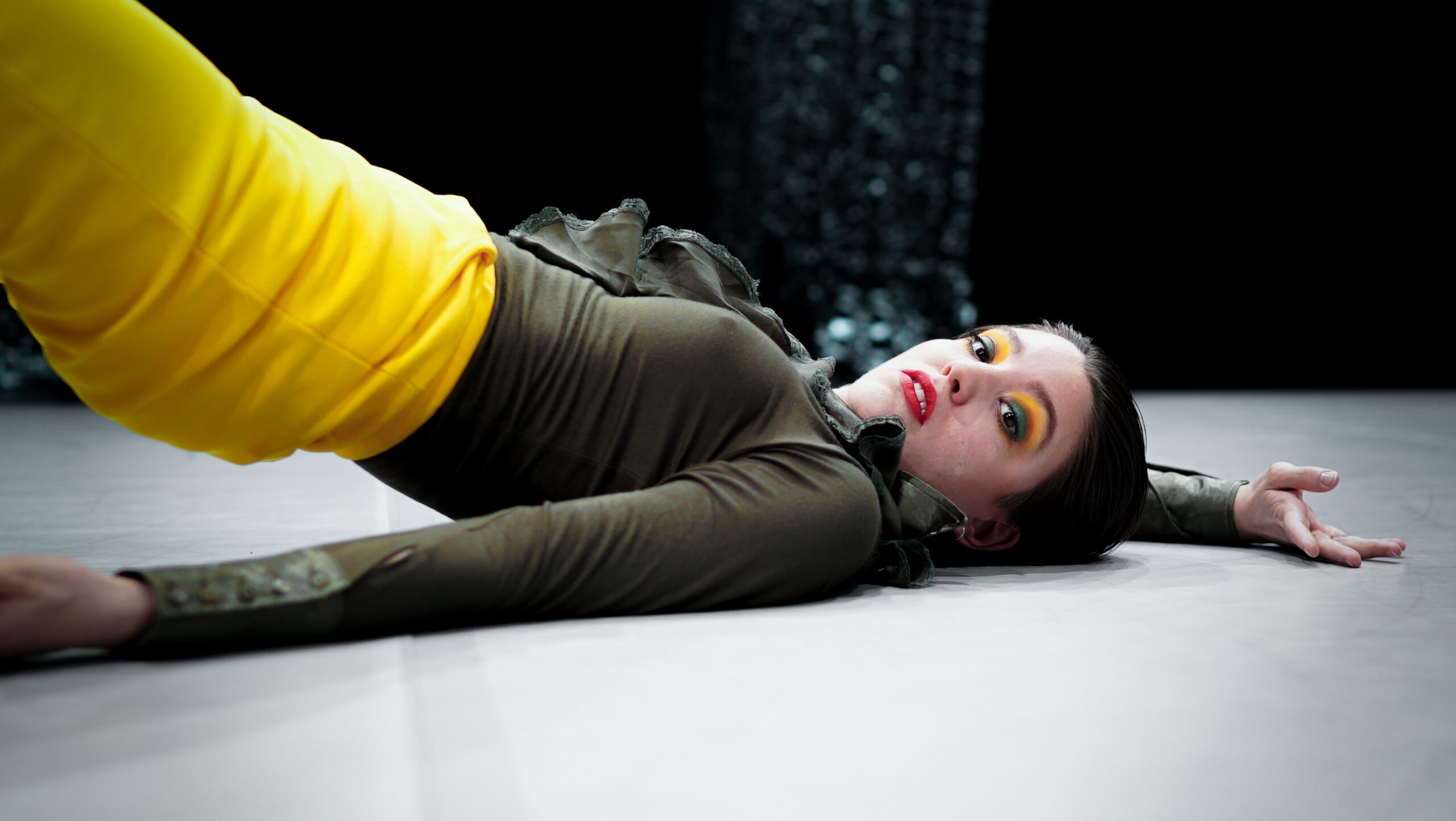
Examining the gaze’s potential as a tool of power. Swedish choreographer Ofelia Jarl Ortega creates with StM an opening between performer and spectator. A space that pulses, yields and gives the spectator’s gaze a body. The borderland becomes a place to talk about the evasive. StM is a solo and the latest piece in a series where Ofelia Jarl Ortega examines the dramaturgy of the gaze as choreographic material, where the dancer’s voluntary objectification questions the participation of the observer. She approaches the topic from the singular body and confirms the gaze as a tool of power.

Ofelia Jarl Ortega

Ofelia Jarl Ortega is a Chilean-Swedish choreographer and performer based in Stockholm. Her work centers around vulnerability and femininity, often with a suggestive erotic aesthetic; lately a notion of “voluntary objectification” has been at the core for her investigations. She holds a dance diploma from The Royal Swedish Ballet School (2010) and a MA in Choreography from SKH, Stockholm (2014). Her works have been shown at venues such as ImPulsTanz (Vienna), MDT (Stockholm), Inkonst (Malmö), Arsenic (Lausanne), Black Box Teater (Oslo) and Setu Festival (Elliant, Bretagne).

Odd Meters

A frenzied dance that bounces between rhythms, in an attempt to reconstruct itself from fragments of dreams, time, and the body. Odd Meters by choreographer-performer Mikko Niemistö works with rhythms found in moments that overlap, argue, and shake the flesh. Odd Meters is based on the dreams Niemistö saw at the Bjällansås farm in Uddevalla, Sweden in summer 2018 while in residency there: the intertwined layers of natural cycles, dancing, and 4G connectivity to newsfeeds and entertainment, seeped into his night-time reality. Odd Meters explores a human body that is alienated from itself and its environment; it is lost in obsessive dreams, adventure fantasies of the digital realm, and the polyrhythmic labyrinth of an illogical relationship with nature. In this intersection the chronic insomnia of a thoroughly technologized era collides with its own impossibility. The work desires to bring the experience of the dream to public circulation while working from a non-linear understanding of time. The performer is wide awake but simultaneously channelling unfiltered impulses swelling from the memories of REM dreams –fragments of stories where the narrator is not in control of the narrative.

Mikko Niemistö

Mikko Niemistö is a choreographer, performing artist and curator who works in Helsinki and abroad. He has created both solo performances and multidisciplinary works where different forms of art engage in dialogue. He has graduated as a Master of Fine Arts in Choreography from the New Performative Practices MA program from the School of Dance and Circus in Stockholm in 2017. In his works, Niemistö explores the relationship between the human body and its environment and probes the human body’s conscious and unconscious physical connections to the structures of the society. He is especially interested in silent physical knowledge, the background noises of the body and accumulations of bodily memories. He currently focuses on the blind spots and shadow zones of everyday reality, like dreaming, protesting and the digital world.

Diorama

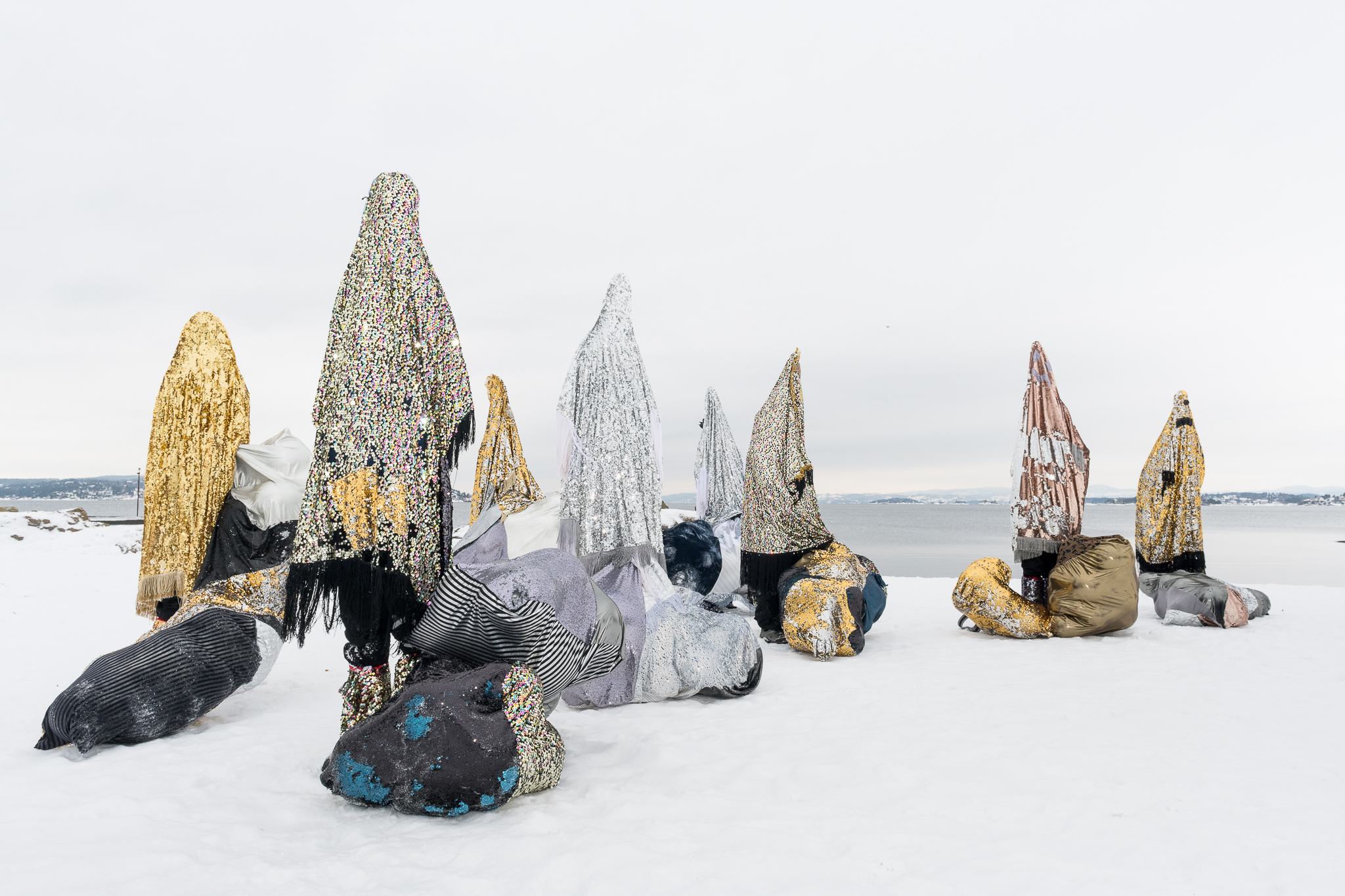
Norwegian choreographer Ingri Fiksdal stages particular views of natural and urban landscapes in different cities and contexts. In Helsinki, she reframes the cold panorama of Hietaranta beach into an hour-long outdoor ritual. Diorama reflects on the passing of time, on the slow change in landscape, and scenography as an ecological practice of bodies both human and non-human. The music is composed by Norwegian musician Jenny Hval and noise artist Lasse Marhaug, shifting from a drone-like echo to a punctured, industrial noise, to indecipherable whispering voices drifting into the landscape. The word diorama often refers to a three-dimensional model of a landscape, such as displayed in museums of natural history. Another use of the word is for the French diorama theatre invented by Louis Daguerre in 1822, where the audience watched big landscape paintings transform through skillfully manipulated light, sound effects, and live performers. Fiksdal uses choreography as a lens through which she alters or interferes with a particular view and its context. Diorama premiered in 2017 in the fishing village Brixham in England, where the view was staged from an outdoor pool over the sea and the horizon. It has since been staged at various locations in Europe and North America, under different weather conditions. In Helsinki, the performance is presented together with students from Sibelius High School.

Ingri Midgard Fiksdal

Ingri Midgard Fiksdal is a choreographer based in Oslo, Norway. In 2019, she finished a PhD in artistic research at Oslo National Academy of the Arts titled “Affective Choreographies”. This research took shape as six performances and three books. Fiksdal’s work on affect has in recent years taken her into discourses on perspective and privilege. She is currently working on a number of projects addressing the intersection between the post-anthropocentric and the decolonial from a feminist perspective. Fiksdal is concerned with how practice and theory are entangled in her work in a way where neither is perceived as anterior to the other. In the recent years, Fiksdal’s work has been performed at Kunstenfestival in Brussels, Palais de Tokyo in Paris, Museum of Contemporary Art in Chicago, Santarcangelo festival, Beijing Contemporary Dance Festival, Sommerszene in Salzburg, Reykjavik Art Museum, brut-Wien, Teatro di Roma, Harbourfront Centre Toronto, Contemporary Art Center Cincinnati, BUDA Kortrijk, Tanzhaus NRW in Dusseldorf and Steirischer Herbst Festival in Graz, alongside extensive touring in Norway.